Why the AI Funding Surge Isn't a Bubble — It's Insurance
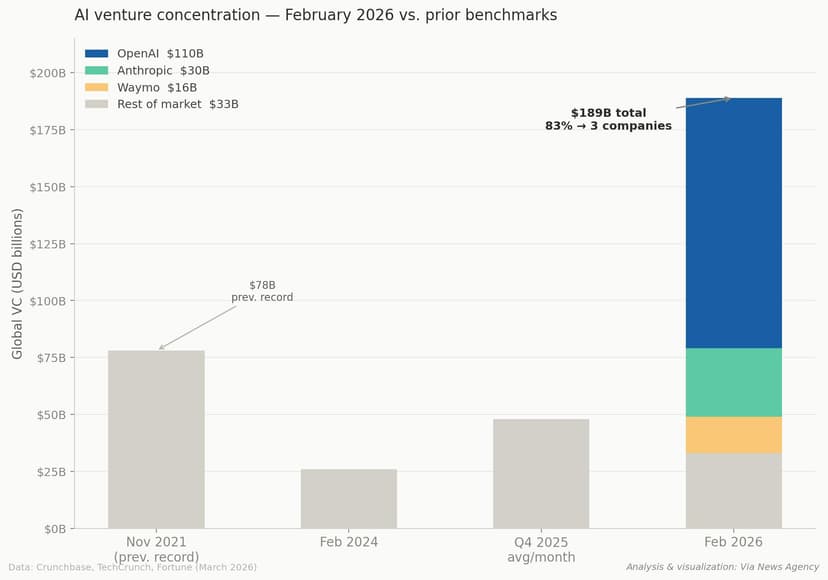
Three companies raised $156B in February 2026 — 83% of all global VC that month. While markets compare it to 1999, the structural reality tells a different story.
LM Salvado•

8 articles
Three companies raised $156B in February 2026 — 83% of all global VC that month. While markets compare it to 1999, the structural reality tells a different story.
Venture capital firms created 68 unicorns in Q1 2026, reaching 36% of 2025's annual total and surpassing 2024's full-year count of 117. The surge, led by healthcare and technology investments across North America and Europe, signals a global capital deployment acceleration after two years of contraction.

SpaceX will be 24 years old if it reaches IPO in 2026, part of a global trend where private companies stay private for decades. Limited partners in venture funds worldwide are turning to LP-backed credit facilities for liquidity instead of waiting for exits that may never come through stalled IPO markets.
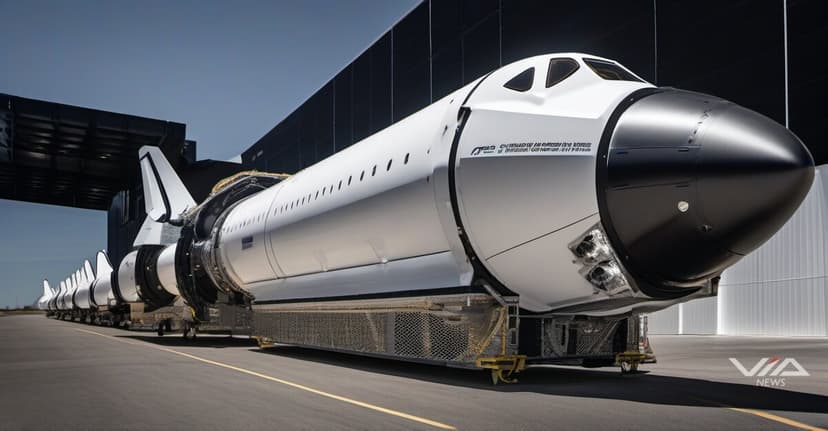
SpaceX could IPO in 2026 at 24 years old, triple the typical timeline seen in US markets during the 2000s. Extended private phases have locked capital globally, driving $50B in loans against VC holdings as LPs seek liquidity without selling at 30-40% discounts.

Tiger Global and SoftBank slashed large-deal activity over 95% from 2021 to 2025, returning mega-round control to traditional venture firms globally. Just 1,440 companies raised $50M+ rounds in 2025, half the 2021 total, as crossover investors retreat from stretched valuations.

Silicon Valley venture firms now lead 8 of 10 funding rounds above $50 million worldwide in 2025, reversing the dominance of mega-investors Tiger Global and SoftBank, which slashed deal activity over 95%. Global fundraising at this tier fell 50% to 1,440 deals from 2,880 in 2021, while valuations recovered on stronger fundamentals.

Makena Capital now models an 18-year fund life with peak returns in years 16-18, abandoning the decade-long standard that shaped venture investing worldwide. The shift reflects how US institutional investors are adapting to longer exit timelines, a recalibration also visible across European and Asian markets where IPO windows remain constrained.

European venture capital is consolidating into specialized funds, with defense tech and deeptech infrastructure vehicles closing rounds above €150M. The shift mirrors the U.S. transition from 2018-2020, when generalist funds splintered into sector-specific partnerships as institutional investors demanded domain expertise.