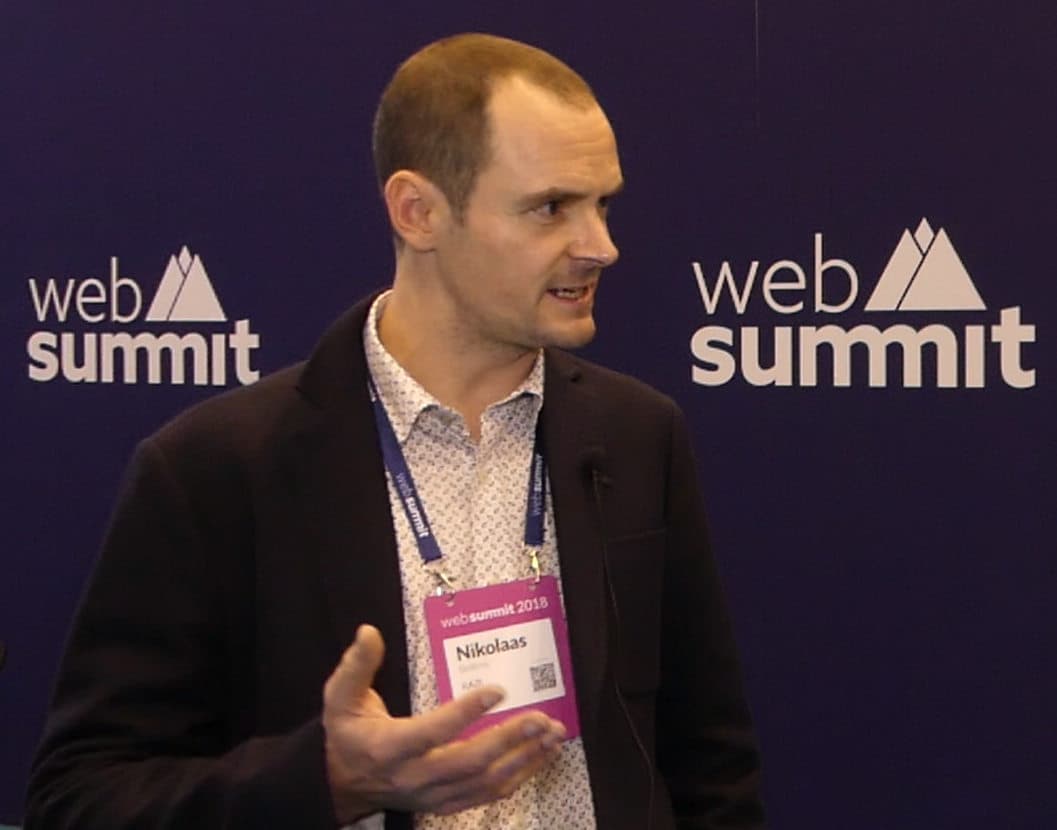
Nikolaas Bellens is the CEO at KAZI, an internationally-active Belgian HR tech company whose name stands for both “job” and “mission”. They’ve built the Expectations Scan, which is a unique tool business can use to identify and express the talent expectations behind the resume. This way, organizations can provide the right messages and positions with fitting job content & roles.
Interview with Nikolaas Bellens, CEO at Kazi:
Hello Nikolaas, tell us about Kazi.
We believe in the future of work where the expectations of talent and organizations better match with one another. One in two new employees is already looking out for another job within the first year because of mismatching expectations. The job isn’t what they expected to be.
How does Kazi work in terms of finding talent and getting it into businesses?
We have developed a Kazi Expectation Scan and have provided it to corporations and public Labor administrations, so they can use it to help people with talent, reveal their job expectations in advance.
What the scan actually does?
It’s 61 easy and intuitive multiple choice questions on the talent side to allow context on the job side. The HR person can learn what the job expectations are. For example, I like to talk a lot and I like to be result focused. So then HR persons who would like to hire me as a candidate may approach me, understanding the right examples. Examples that make it perfectly clear that that job at that company is one where I'm expected to talk a lot and don’t have to follow procedures. I think it’s down to pure business.
Do you think it works more to a certain kind of people than to others?
We’ve already tested it in highly educated white color profiles but, for example, we’re also in projects and we’ve just won a competition to help students find their perfect place where they can learn on the job. It’s basically for young and old, for white color and blue color. It´s basically for everyone.
I know you have a really good offer for employers. Tell us about it?
Yes, employers who want to hire technical talents, IT profiles, engineers, faster and better. They can go to BlackSwanCheck.com and in just five minutes time, completely free of charge, they can take the Kazi expectation scan for employers and they can instantly see whether or not their job what they have an offer matches the expectations of current graduates in science, technology, engineering, and mathematics.
Are they getting a report afterward?
Yes, just in five minutes time academically sound and scientifically validated.
Kazi has been sponsored by the Belgium government. Tell us about that experience?
Yes, in Belgium up until now we’ve invested around 2.5 million euros thanks to great partners of ours. For example, the Flemish government that has invested in us but also banking partners like BNP Paribas, Ford, and ING and also our seed investors. We also got a lot of support from Microsoft and EY.
About the future of work. How do you see things going in five-ten years from now?
I do believe that in 10 years from now we will at least be where digital marketing is today. If you look at digital marketing 10-15 years ago everything was still done on gut feeling, on intuition, and then technology helped the market ears to better know in advance the expectations of their audience, of the segments in their audience, so that they could build they could craft communication messages, etc.
In the future of work; in exactly the same way talent will get personalized communications, will get personalized paths to jobs that contain tasks that match their expectations so they don’t have to look for another job; 50% of them within the first year that’s what I believe.
Do you see things getting decentralized even more and getting into the personal level?
Absolutely, especially now that talent is working a lot from home. There are a lot of freelancers working on different projects so it’s not about companies; it’s about convincing talent. with work that matches their expectations; that’s what the future of work is all about.
You're an entrepreneur yourself, do you have a good piece of advice you could share with young and not so young entrepreneurs?
Learn to enjoy failing and talk about it. Failing and convincing yourself that you can still maintain the drive to move forward is only be possible when you enjoy the failing itself and always see it as a learning opportunity. Always enjoy failing.