
Rohingya Issue Dominated Pope’s Asia Visits, but There’s Significance Beyond Rohingya Angle
Bahauddin Foizee
December 5, 2017
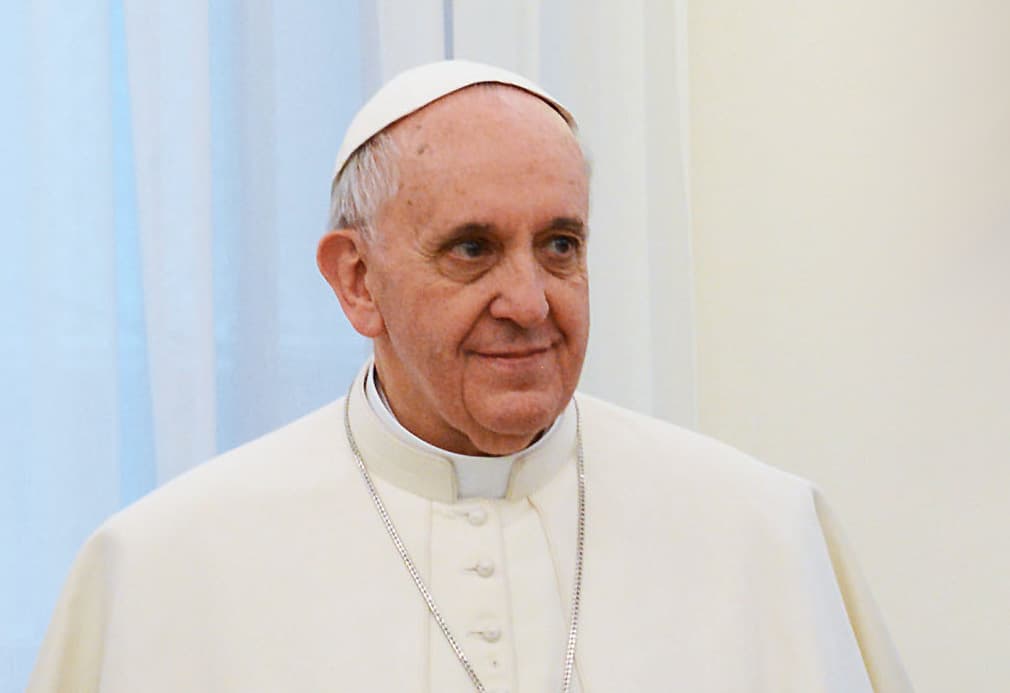
Dhaka, Bangladesh (ViaNews) - Pope Francis concluded his visit to Asia on Saturday as he headed to the Vatican with a flight from Biman, the flagship Bangladeshi airline. Though the desperate plight of the Rohingya refugees has dominated Pope’s landmark visits to both Bangladesh and Myanmar, the visits carry significance beyond the Rohingya angle.
During his Bangladesh visit (November 30 – December 2), Pope had an emotional meeting with a group of Rohingya refugees – twelve men, two women, and two young girls – at the Dhaka archbishop’s residence. Each one of the 16 refugees, who came from the Rohingya refugee camps in Cox’s Bazar, met the Pope one by one.
The refugee camps in Bangladeshi districts bordering Myanmar, especially the district of Cox’s Bazar, are overflowing with Rohingya refugees who have been fleeing – what the United Nations says – an ethnic cleansing by Myanmar's military. They have fallen victim to rape, arson, and murder that compelled them to make the dangerous journey through jungles and by river and sea to Bangladesh.
Hearing the aforesaid 16 Rohingyas at the Dhaka archbishop’s residence, Pope Francis asked for forgiveness from the refugees for all the pain and persecution they have endured. He demanded the rights of the Rohingyas be recognized and pronounced the word “Rohingya” that he had so attentively avoided only days earlier during his visit to Myanmar (November 27 – 30).
During his four day visit to Myanmar prior to the Bangladesh visit, Pope Francis walked a diplomatic tightrope and avoided any direct reference to the “Rohingya” in public, though he had appealed to the Buddhist leaders to overcome prejudice and hatred.
Human rights organizations, the Rohingyas and a section of the international community had criticised at Francis’ public silence during his Myanmar visit, given he had previously condemned the persecution of the Rohingyas, calling them “our Rohingya brothers and sisters” earlier this year at the Vatican.
The Vatican leadership defended the stance citing the reason that it was diplomatically necessary not to enrage the Myanmar’s Buddhist community and military leadership.
The word “Rohingya” is politically sensitive in Buddhist majority Myanmar due to the widespread perception of the country’s Buddhist community that the Rohingyas are ethnic ‘Bengali’ and that they migrated from neighbouring Bangladesh.
Pope, later himself defended his position saying that if he had used the word “Rohingya” during an official speech, he would have slammed the door (to peace). “For me, the most important thing is that the message gets through,” said the Pope.
It was also learned that the archbishop of Yangon had appealed Pope Francis not to create possible problems for them by using the word “Rohingya” during his Myanmar visit. Indeed, any reference to the “Rohingya” in Myanmar could have inflamed tensions and endangered the lives of the Christians in the country. Even after coming to Bangladesh, Francis didn’t use the word at the first day of his Bangladesh visit.
However, for the first time on his visit to these two neighbouring Asian countries, Pope Francis referred to the Rohingya people by name on the second day of his stay in Bangladesh. In a gathering of leaders of different communities during an interfaith meeting at Dhaka’s Kakrail Catholic Chruch, Pope said, “The presence of God today is also called Rohingya.”