
Seventy-eight percent of startups plan to hire new staff before the end of the year despite being caught in mid-air by the coronavirus pandemic, according to a recent survey by the world's largest startup campus.
The study by Station F—which was conducted in partnership with over 120 venture capital funds—also showed that 48% of startup companies globally have hired new blood since the beginning of March.
Read more: Investment in Startups Should Be Governments’ Priority: Doppio’s CEO
The survey by the Paris-based incubator covers about 1,000 companies across Europe—in France, Germany, and the UK—as well as in the U.S. and Israel. It is focused on five topics: business impact, product, employment, funding, and work habits.
Out of the polled businesses, 20.4% are pre-seed startups, 44.5% are in seed stage, 21.8% are Series A, 5.9% Series B, and 7.5% Series C and more.
Here are the key data takeaways:
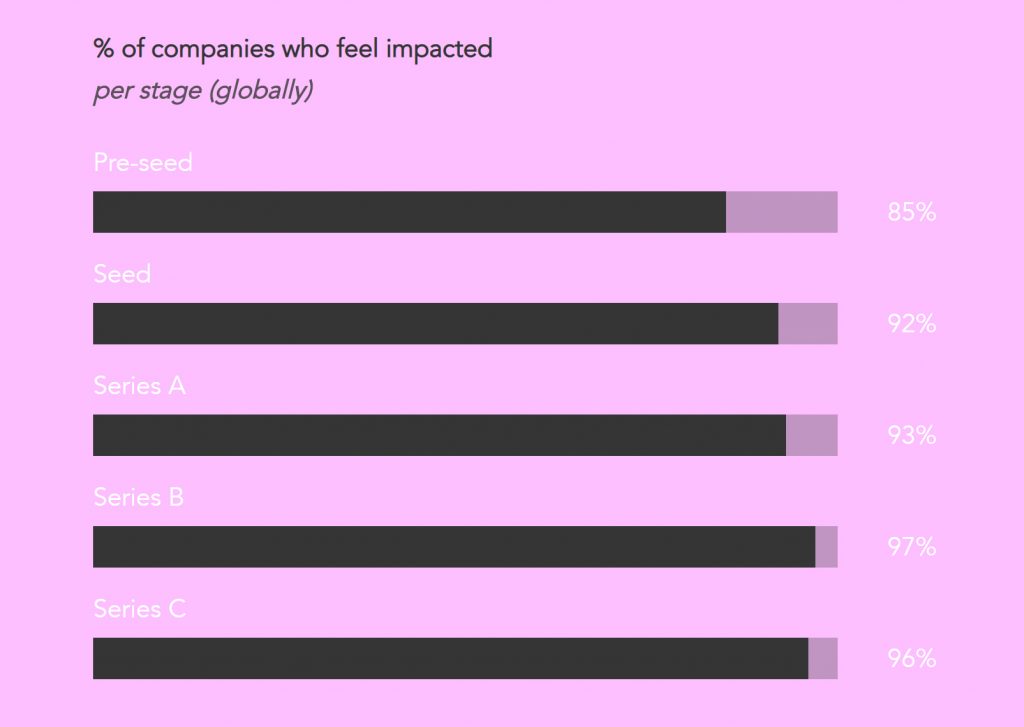
- 91% of startups feel their business has been affected by the crisis.
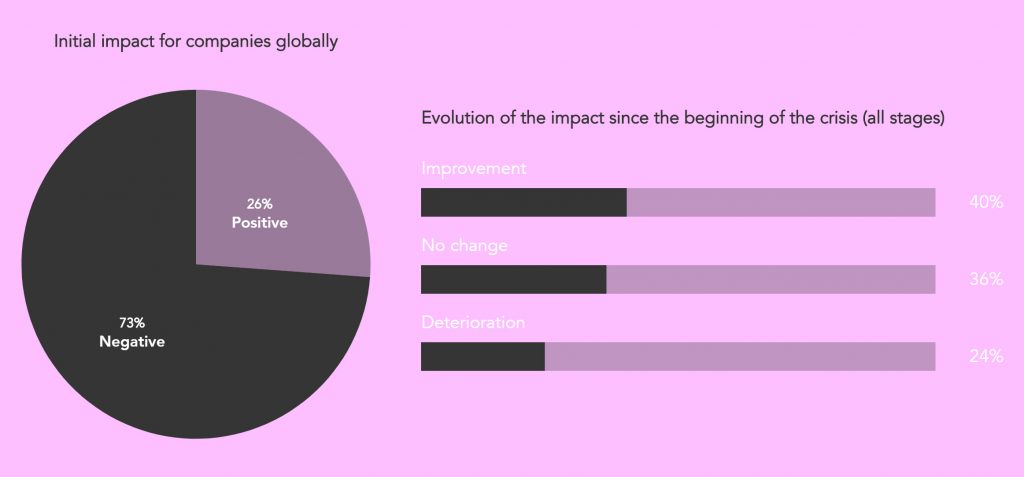
- 73% of startups say that the initial impact of COVID-19 has been negative.
- 72% of startups have reduced spending since the beginning of the outbreak.
- 64% of pre-seed startups have reduced spending since the coronavirus began to hit the world.
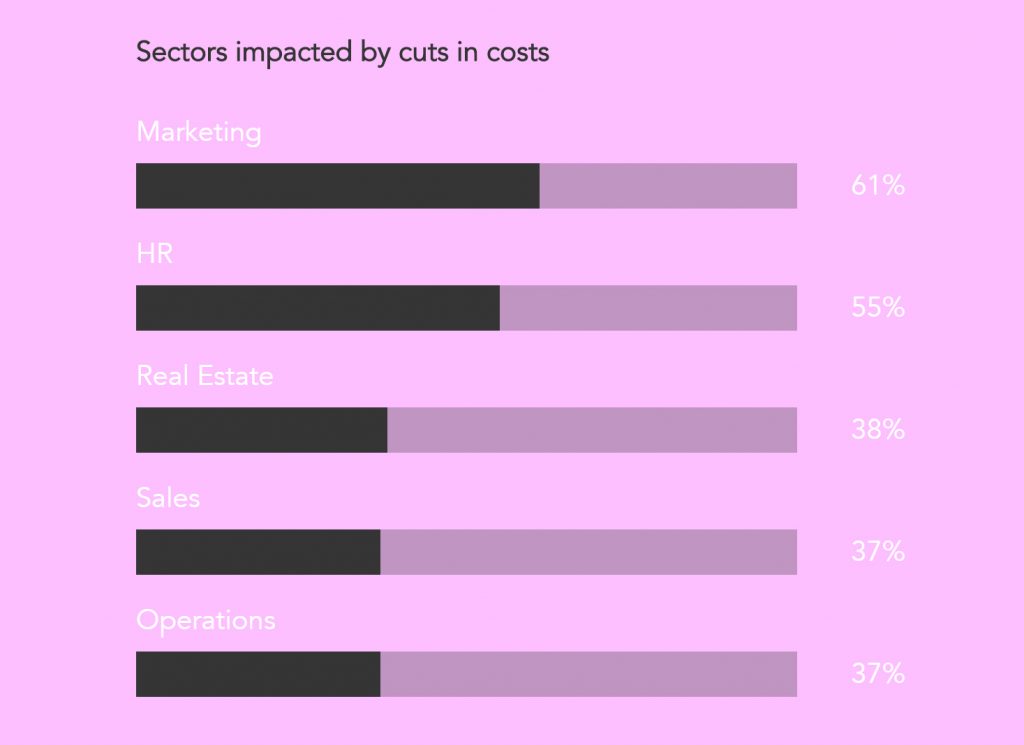
- The main sectors impacted by the cuts in costs include marketing (61%), HR (55%), real estate (38%), sales (37%), operations (37%), product (22%), tech (20%), R&D (18%), and customer (14%).
"For each start-up, the crisis was an opportunity to reassess their culture, their working processes, and their cost base, and most of them will emerge much stronger," says Philippe Botteri, partner at Accel Ventures.
- 51% of the startups polled got some money from the government through loans or grants.
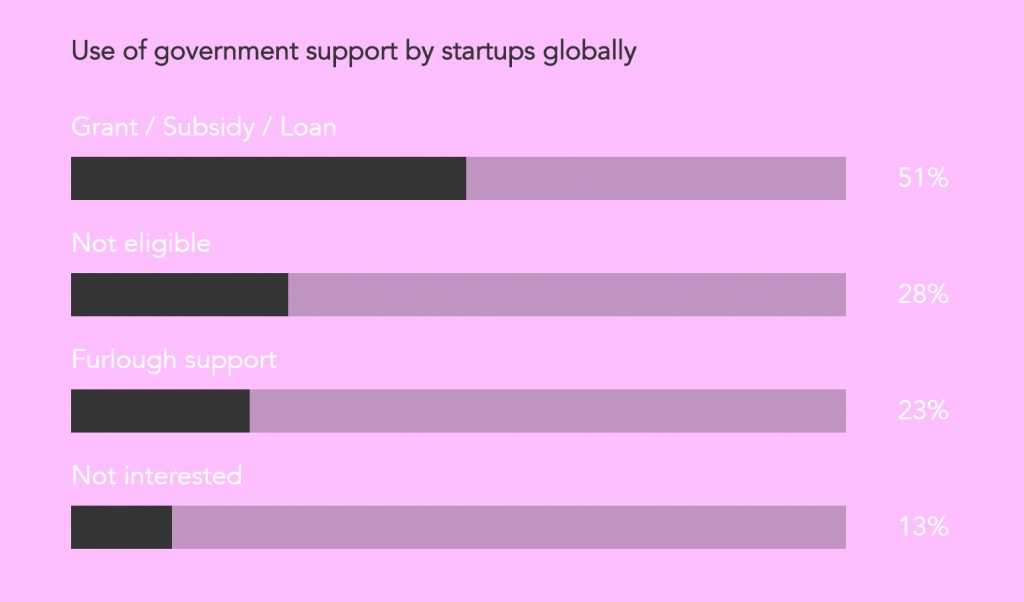
John Bradford, a partner at Dynamo, says the reaction of governments across Europe was positive and showed that they recognize the importance of the startup ecosystem. "It also highlighted the startup ecosystems' growing ability to lobby governments in a more coherent fashion."
- 43% of founders think that government support measures were easy to understand.
- 18% of startups had some sort of pivot to address a new market, and 13% said they were considering a pivot in the coming months.
- 31% of pre-seed startups changed their go-to-market strategy.
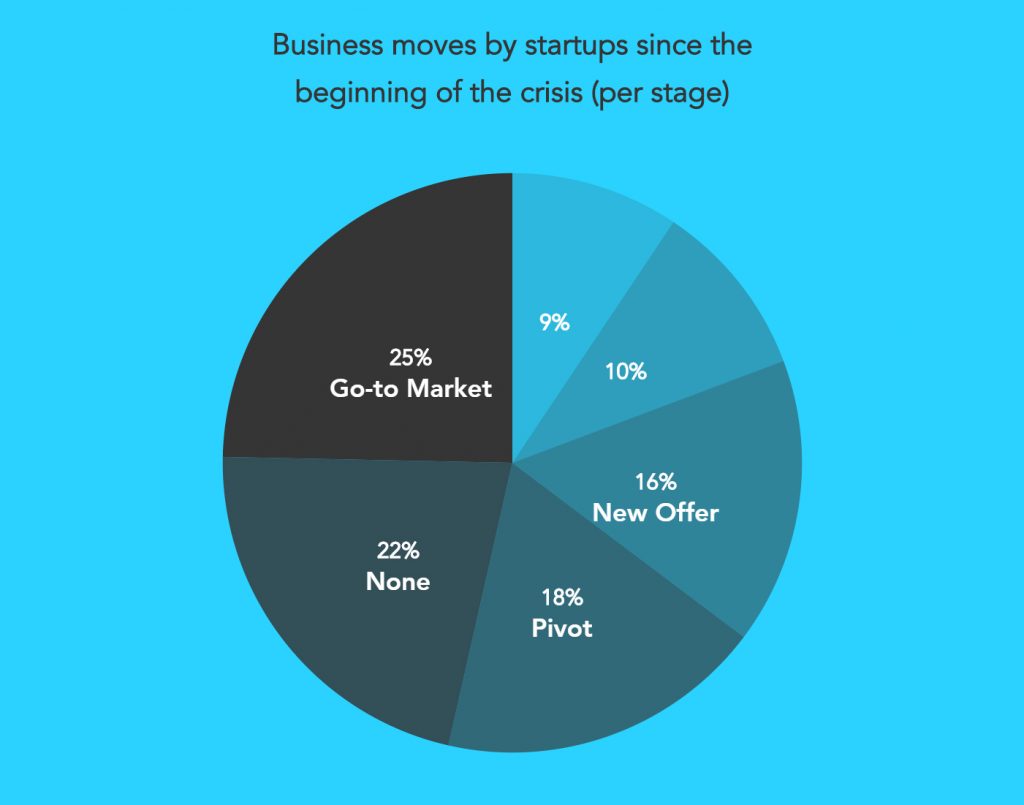
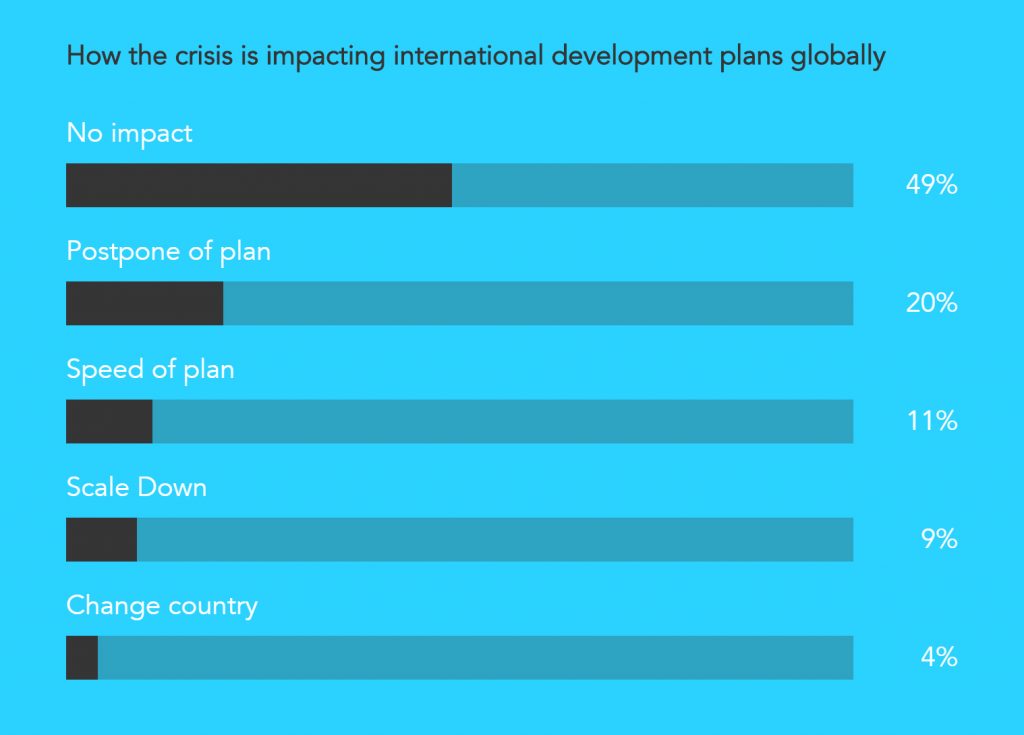
- 20% of startups postponed their international development strategy.
- 34% of Series B startups laid-off employees.
- 32% of the layoffs took place in the sales department, while 20% of the teams impacted by layoffs were in the marketing department.
Read more: COVID-19 Mass Layoffs Brewing in Europe
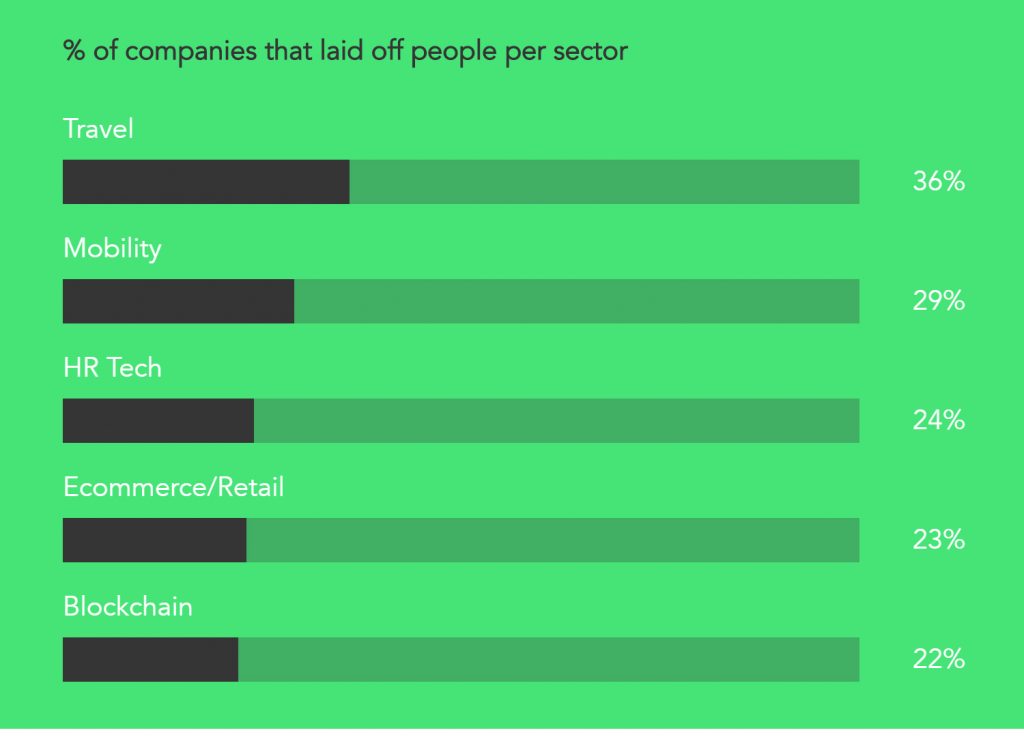
- Travel and mobility were the two sectors that had to resort to firings more than other businesses. They accounted for 36% and 29% of layoffs, respectively.
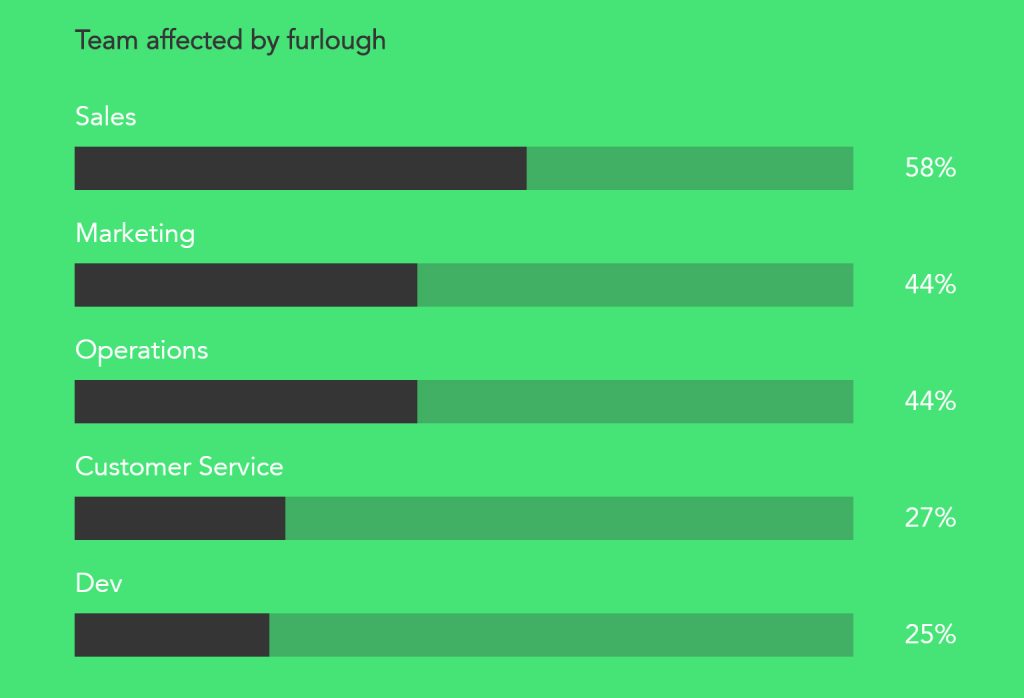
- 24% of startups furloughed employees.
- 45% of Series B startups furloughed employees.
- Sales and marketing, two crucial teams for Series B startups, were the most affected by furloughs.
- 50% of startups said they plan to stop using furlough by the end of July.
- 48% of startups hired new employees since the beginning of March.
- 78% of startup companies plan to hire new employees before the end of the year.
"The optimist in me thinks that given the caliber of talent now working for themselves, and with competition abound, we are about to see some of the best innovations of our generation emerge," says Soraya Darabi, general partner at TMV.
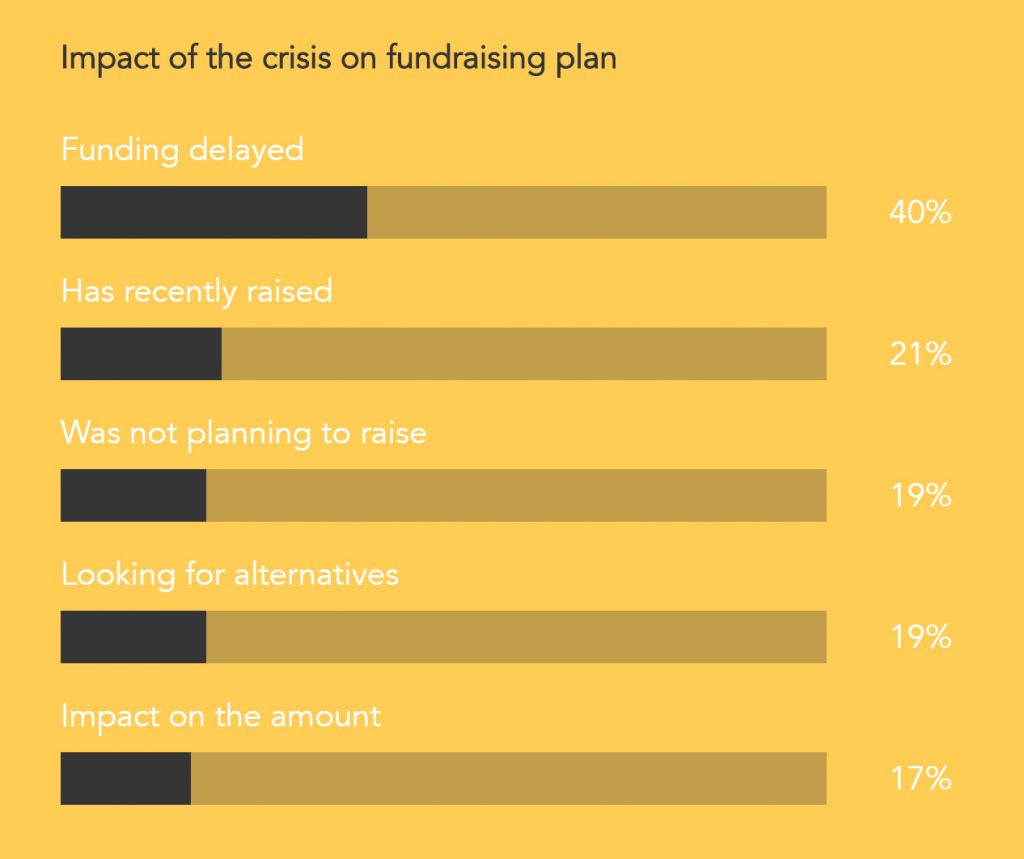
- 40% of startups are currently looking to raise funds.
- 47% of entrepreneurs see less VC interest, availability, or reactiveness.
- 66% of startups have cash for up to 6 months.
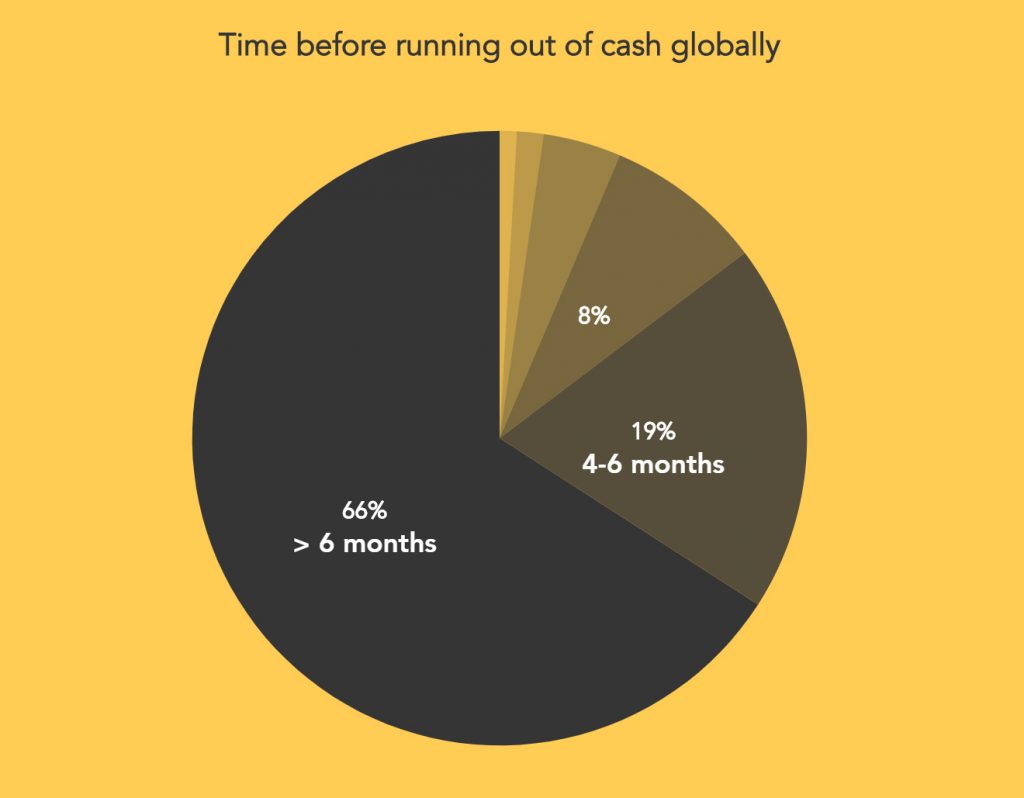
"Given the robust venture capital ecosystem in the United States, it is not surprising that U.S. startups are holding somewhat more capital than elsewhere in the world," according to David Hornik, a partner at August Capital.
- 11% of startups are thinking about stopping activity before December 2020.
- 39% of companies were fully remote before the crisis.
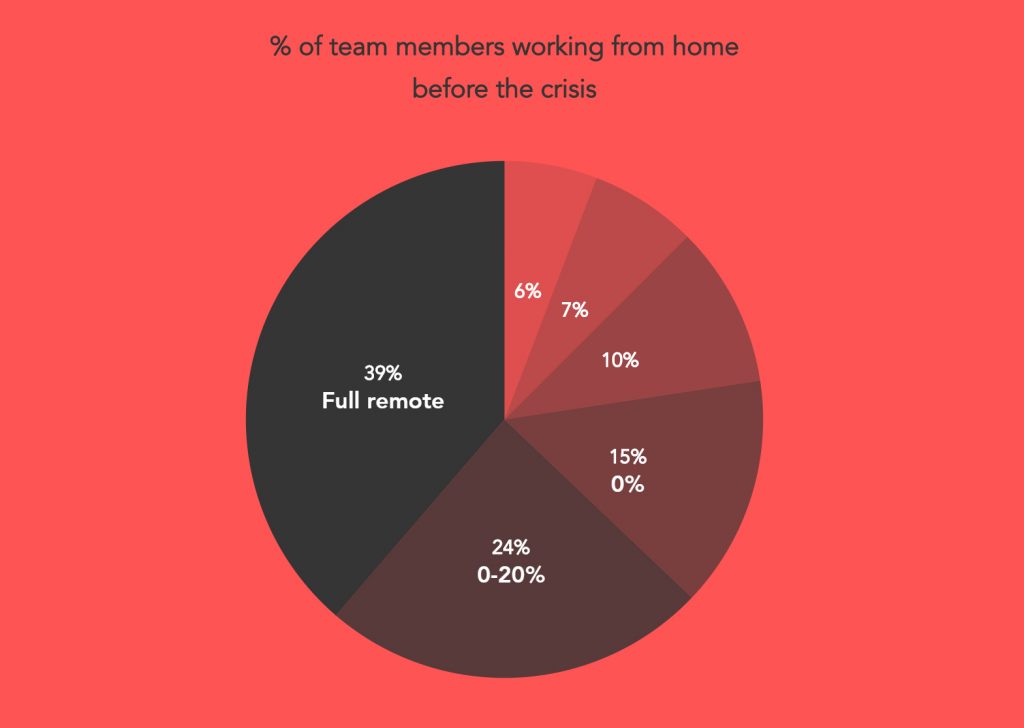
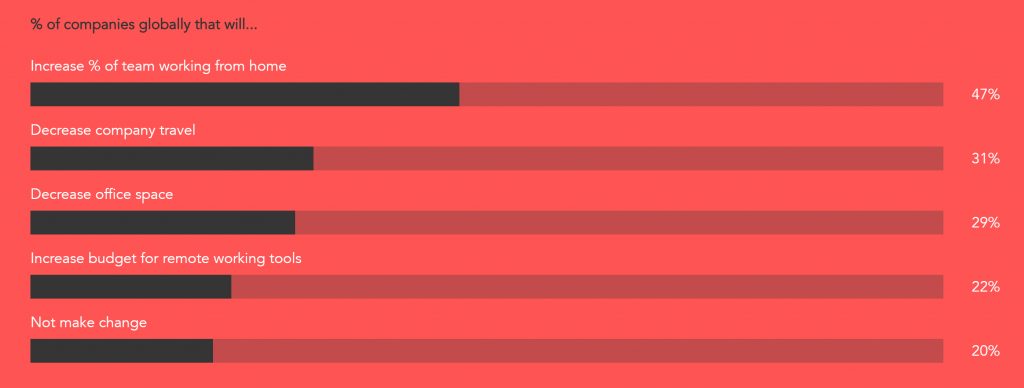
- 47% of startups plan to increase remote working.
- 34% of entrepreneurs do not feel comfortable attending large-scale conferences before 2021.
"Overall we have seen a massive impact on the ecosystem, with many companies set back in their development for years. Some of that will be (and already is) recovered over the next months and years, but for some companies, it will take much longer or not happen at all," says Pierre-François Marteau, partner at SpeedInvest.