

The coronavirus pandemic highlighted the need for mentors to equip themselves with a new arsenal of knowledge and skills as it gave rise to a growing demand for professional advice in more specialized areas, says an expert.
"There is now greater demand for mentorship on more specific subjects," Brazil-based Dennis Nakamura told Via News in an interview.
Dennis, a former manager at Westwing Home & Living, is currently working as a startup and career mentor for Oracle Brazil, Bluefields Startup Accelerator of the University of Mackenzie, and the University of São Paulo.
He is also a partner and advisor of a number of startups in the fields of foodtech, healthtech, HRtech, and investment and helped found an NGO in 2008 to support more than 2,500 young students from different cities in discovering the best career path.
New Demands
Dennis believes that it is time for mentors to gain more knowledge and experience in areas such as digital marketing, online retail, e-commerce, new business and products development, digital marketplaces, home services, omnichannel, customer success, user and customer experience, logistics, financial services, home office management, epidemiology, and infectiology.
Mentors should also be aware that the needs of small and local businesses and startups are quite different than those of larger enterprises who operate on a wider scale, he added.
Read more: Mentors Can Steer Startups Through COVID-19 Pandemic: eParkio CEO
Dennis, who has mentored more than 50 startups in the past three years, says the coronavirus outbreak and the subsequent quarantine measures and economic downturn have made his working days busier than usual.
"When the virus began to spread, some of my clients rushed to ask for insight on what would happen in the coming months and how could they turn their businesses around, mainly to meet the new market needs."
Most of them have accelerated their plans for digital transition and digital transformation, he noted.
"During this COVID-19 crisis, we were able to see the importance for companies to be flexible and change direction by adapting their current products and services to new market realities or developing new ones."
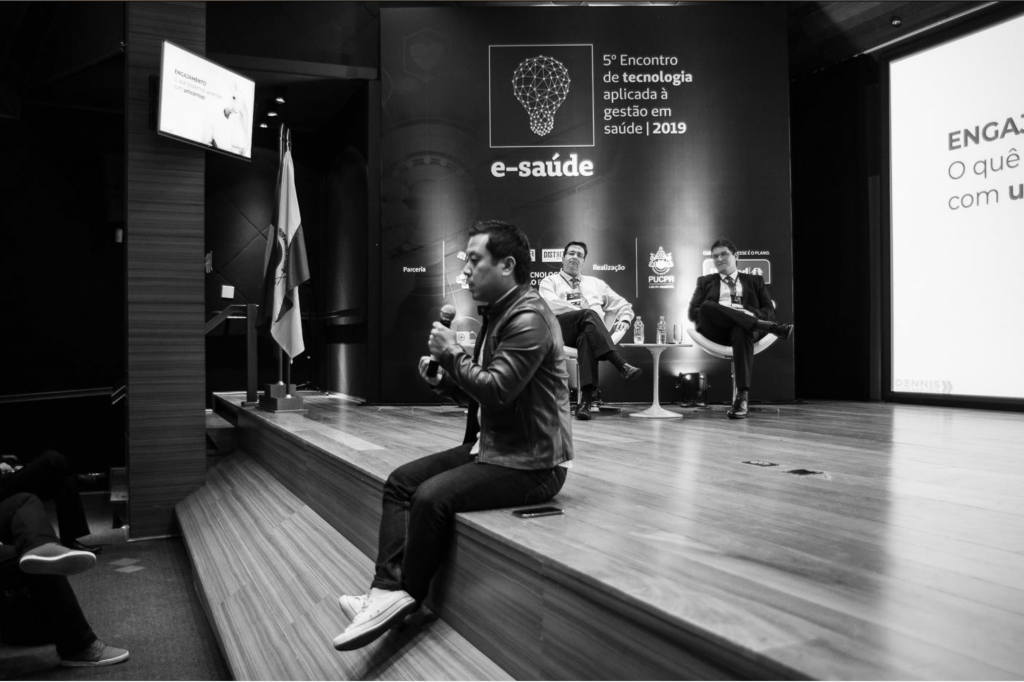
Dennis, an environmental engineer specialized in project finance, advises businesses to seek help from mentors as their expertise can help with the decision-making process.
"Mentorship can be the resource for new ideas and big-picture approaches that the clients might not have thought of as they are mostly focused on day-to-day operations."
He argues that mentorship can also guide them to the right resources, help them leverage their network to connect new clients and partners, and open their minds to new business models and possibilities.
Lingering Uncertainty
Asked about the challenges facing business advisors at this point in time, Dennis said one of the main issues is the continued uncertainty driven by the coronavirus.
"Not even the greatest specialists know when the pandemic will end, and mentors and advisors cannot be sure of anything."
It is also a difficult time for many startups as the next steps that should be taken are not clear enough due to the current lack of certainty, the expert added.
He recommends that small and medium enterprises cut costs and expenses so that they can break even momentarily or at least make their cash last longer.
"In addition, they should execute their back-burner innovative projects if they are still relevant as such projects can save the business."
Read more: Entrepreneurs Should Master Art of Active Listening: Coachmi Co-Founders
According to him, companies can benefit immensely from the services of experienced mentors who can help them make better, faster, and often cheaper decisions and show them a safer path to follow.
"They say you learn either from your own mistakes or the mistakes of others. The second case is much cheaper, so it is always worth using or paying for the services of good mentors. I myself have mentors for my spiritual life and different aspects of my business."